Engine overheating is a critical issue that can lead to severe engine damage if not addressed promptly. When your vehicle's engine temperature rises beyond the normal range, it can indicate underlying problems that require immediate attention. This article will guide you through the common causes of engine overheating, the symptoms to watch for, and the immediate actions you should take to prevent further damage. Additionally, we will explore effective diagnostic methods and preventive maintenance tips to help you avoid overheating issues in the future. By understanding these aspects, you can ensure your vehicle remains in optimal condition and avoid costly repairs.
What Are the Common Causes of Car Engine Overheating?
Car engine overheating can stem from various issues, often related to the cooling system's efficiency. Understanding these causes is essential for effective troubleshooting and prevention. Common causes include radiator problems, thermostat malfunctions, coolant leaks, water pump failure, and low coolant levels. Each of these factors plays a significant role in maintaining the engine's temperature within a safe range.
How Do Radiator Problems Lead to Engine Overheating?
Radiator problems are a primary cause of engine overheating. The radiator's function is to dissipate heat from the engine coolant, ensuring that the engine operates at a safe temperature. If the radiator is clogged, leaking, or damaged, it cannot effectively cool the coolant, leading to increased engine temperatures. Signs of radiator failure include coolant leaks, visible damage, or overheating indicators on the dashboard.
What Role Does a Malfunctioning Thermostat Play in Overheating?
A malfunctioning thermostat can significantly impact engine temperature regulation. The thermostat controls the flow of coolant between the engine and the radiator. If it fails to open or close properly, it can restrict coolant flow, causing the engine to overheat. Symptoms of a thermostat malfunction include fluctuating temperature readings and engine overheating, especially during idling or low-speed driving.
What Are the Key Symptoms and Warning Signs of Engine Overheating?
Recognizing the symptoms of engine overheating is crucial for timely intervention. Common signs include a rising temperature gauge, steam coming from the engine, and unusual noises such as knocking or ticking. Early detection can prevent severe engine damage and costly repairs.
How to Recognize Coolant Leak Symptoms Early?
Coolant leak symptoms can manifest in several ways. Look for puddles of coolant under your vehicle, a sweet smell, or a drop in coolant levels. If you notice any of these signs, it is essential to address the issue immediately to prevent overheating and engine damage.
What Does a Car Engine Temperature Warning Light Indicate?
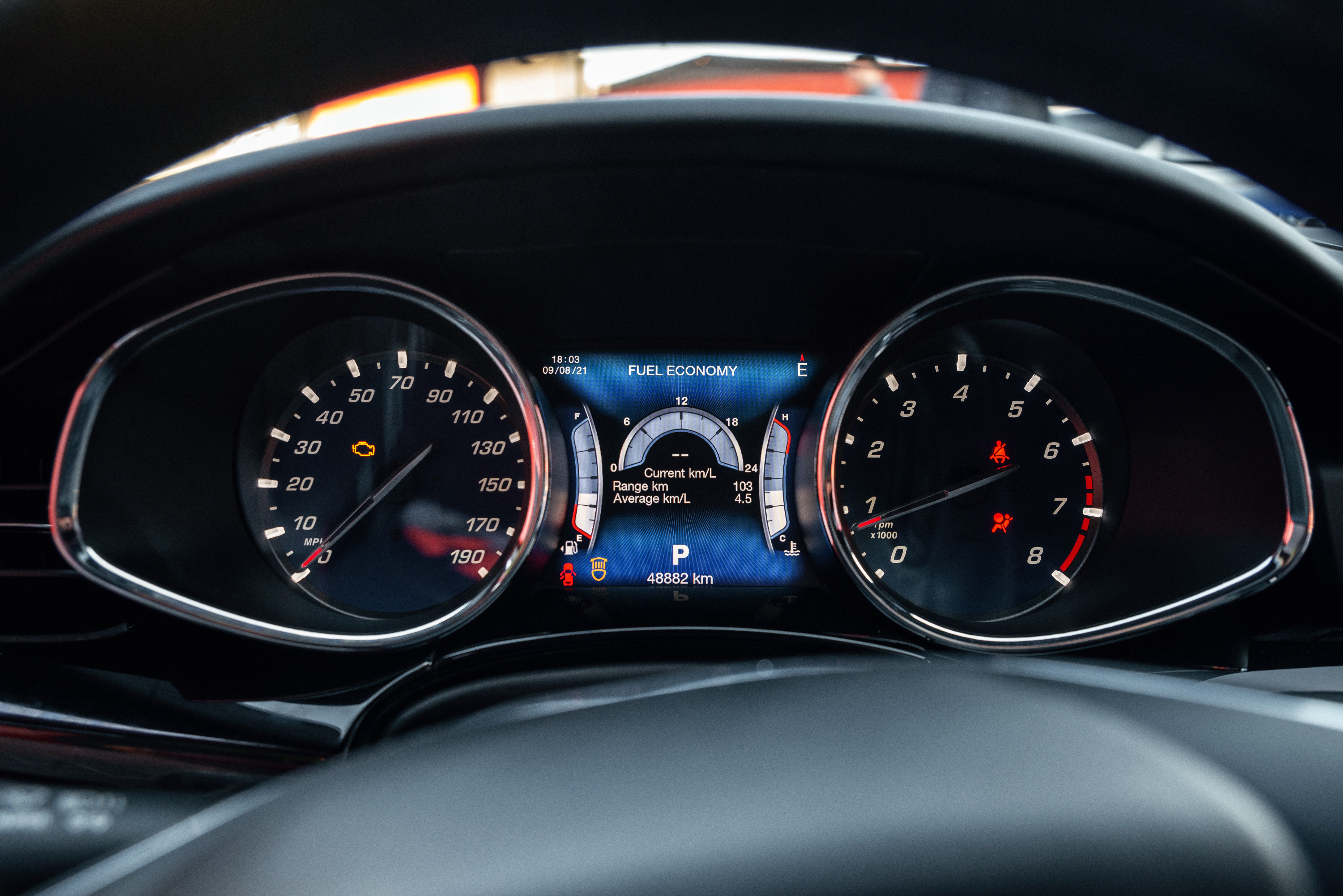
The car engine temperature warning light is a critical indicator of overheating. When this light activates, it signals that the engine temperature has exceeded safe limits. Ignoring this warning can lead to severe engine damage, so it is vital to take immediate action, such as pulling over and checking coolant levels.
What Immediate Steps Should You Take When Your Engine Overheats?
When your engine overheats, swift action is necessary to prevent damage. Here are the immediate steps you should take:
Pull Over Safely: As soon as you notice the temperature gauge rising, find a safe place to pull over and turn off the engine.
Wait for the Engine to Cool: Do not attempt to open the radiator cap or coolant reservoir while the engine is hot to avoid burns.
Check Coolant Levels: Once the engine has cooled down, check the coolant levels in the reservoir. If low, you may need to refill it with the appropriate coolant.
Inspect for Leaks: Look for any visible leaks around the radiator and hoses. If you find any, it may require professional repair.
How to Safely Check and Refill Coolant in an Emergency?
To safely check and refill coolant, follow these steps:
Wait for the engine to cool completely before opening the coolant reservoir cap or radiator cap.
Inspect the coolant level; if it's low, add a mixture of coolant and water as recommended by your vehicle's manufacturer.
Replace the cap securely and start the engine to check for leaks.
What Are the Emergency Actions to Prevent Engine Damage?
In addition to checking coolant levels, consider these emergency actions:
Turn on the Heater: This can help dissipate heat from the engine by transferring heat to the passenger compartment.
Avoid Revving the Engine: Revving the engine is generally not recommended as it can increase engine temperature and stress components.
Call for Assistance: If the problem persists, it’s best to call for professional help to avoid further damage.
How Can You Diagnose Radiator and Thermostat Issues Effectively?
Diagnosing radiator and thermostat issues requires a systematic approach. Start by checking the coolant levels and inspecting for leaks. If the coolant is low, refill it and monitor the temperature gauge. If overheating continues, the thermostat may need to be tested or replaced.
What Diagnostic Tools Help Identify Cooling System Failures?
Several diagnostic tools can assist in identifying cooling system failures:
Infrared Thermometer: Measures the temperature of the radiator and engine components.
Pressure Tester: Checks for leaks in the cooling system.
OBD-II Scanner: Reads error codes related to engine temperature and cooling system performance.
Further research highlights the sophisticated capabilities of OBD-II systems in diagnosing engine cooling issues.
OBD-II Coolant Temperature Model for Engine Cooling System Diagnostics
ABSTRACT: A coolant temperature model of an internal combustion engine has been formulated to meet the new On-Board Diagnostics II (OBD II) requirement for coolant temperature rationality. The model utilizes information available within the production Engine Control Module (ECM). The temperature prediction capability has been tested for various “real-world” driving conditions and cycles along with regulated drive cycles. The model can be calibrated to find the appropriate timing for initiation of a diagnostic algorithm for engine cooling system and Coolant Temperature Sensor (CTS) faults. A diagnostic scheme has been developed to detect and isolate various types of cooling system failures using engine soak time information available from a low power timer in the ECM. This model-based fault detection scheme will meet the new California Air Resource Board (CARB) regulations for the “high-sided” cooling system rationality and allow more accurate and timely repair of system faults at automotive serv
An engine coolant temperature model and application for cooling system diagnosis, 2000
When Should You Seek Professional Engine Cooling System Repair?
If you notice persistent overheating or if the temperature warning light remains illuminated after checking coolant levels, it is crucial to seek professional repair. Signs that indicate professional help is needed include:
Continuous overheating despite coolant refills.
Unusual noises from the engine.
Steam or smoke coming from the engine compartment.
What Preventive Maintenance Tips Help Avoid Engine Overheating?
Preventive maintenance is key to avoiding engine overheating. Regular checks and maintenance can help ensure your vehicle's cooling system operates efficiently.
How Often Should You Check Coolant Levels and Cooling System Components?
It is advisable to check coolant levels and inspect the cooling system components at least once a month. Regular maintenance can help identify potential issues before they lead to overheating.
What Are Best Practices for Radiator and Thermostat Care?
To maintain your radiator and thermostat effectively, consider these best practices:
Flush the Cooling System: Regularly flushing the cooling system (every 2 to 5 years or as recommended by the vehicle manufacturer) helps remove debris and contaminants.
Inspect Hoses and Connections: Check for wear and tear on hoses and connections to prevent leaks.
Replace the Thermostat: If your vehicle is older or experiencing temperature regulation issues, consider replacing the thermostat as a preventive measure.
When Is It Necessary to Visit an Automotive Repair Shop for Overheating Issues?
Knowing when to visit an automotive repair shop is essential for maintaining your vehicle's health. If you experience repeated overheating or if the engine shows signs of damage, professional assistance is necessary.
What Signs Indicate Professional Repair Services Are Required?
Signs that indicate you should seek professional repair services include:
Persistent overheating despite coolant checks.
Unusual engine noises or performance issues.
Warning lights that remain illuminated after addressing potential issues.
How to Choose Reliable Engine Cooling System Repair Services?
When selecting a repair service, consider the following criteria:
Reputation: Look for reviews and testimonials from previous customers.
Certifications: Ensure the shop has certified technicians.
Warranty: Check if they offer warranties on their services.
By following these guidelines, you can ensure your vehicle remains in optimal condition and avoid the costly consequences of engine overheating.
Engine overheating is a critical issue that can lead to severe engine damage if not addressed promptly. When your vehicle's engine temperature rises beyond the normal range, it can indicate underlying problems that require immediate attention. This article will guide you through the common causes of engine overheating, the symptoms to watch for, and the immediate actions you should take to prevent further damage. Additionally, we will explore effective diagnostic methods and preventive maintenance tips to help you avoid overheating issues in the future. By understanding these aspects, you can ensure your vehicle remains in optimal condition and avoid costly repairs.
What Are the Common Causes of Car Engine Overheating?
Car engine overheating can stem from various issues, often related to the cooling system's efficiency. Understanding these causes is essential for effective troubleshooting and prevention. Common causes include radiator problems, thermostat malfunctions, coolant leaks, water pump failure, and low coolant levels. Each of these factors plays a significant role in maintaining the engine's temperature within a safe range.
How Do Radiator Problems Lead to Engine Overheating?
Radiator problems are a primary cause of engine overheating. The radiator's function is to dissipate heat from the engine coolant, ensuring that the engine operates at a safe temperature. If the radiator is clogged, leaking, or damaged, it cannot effectively cool the coolant, leading to increased engine temperatures. Signs of radiator failure include coolant leaks, visible damage, or overheating indicators on the dashboard.
What Role Does a Malfunctioning Thermostat Play in Overheating?
A malfunctioning thermostat can significantly impact engine temperature regulation. The thermostat controls the flow of coolant between the engine and the radiator. If it fails to open or close properly, it can restrict coolant flow, causing the engine to overheat. Symptoms of a thermostat malfunction include fluctuating temperature readings and engine overheating, especially during idling or low-speed driving.
What Are the Key Symptoms and Warning Signs of Engine Overheating?
Recognizing the symptoms of engine overheating is crucial for timely intervention. Common signs include a rising temperature gauge, steam coming from the engine, and unusual noises such as knocking or ticking. Early detection can prevent severe engine damage and costly repairs.
How to Recognize Coolant Leak Symptoms Early?
Coolant leak symptoms can manifest in several ways. Look for puddles of coolant under your vehicle, a sweet smell, or a drop in coolant levels. If you notice any of these signs, it is essential to address the issue immediately to prevent overheating and engine damage.
What Does a Car Engine Temperature Warning Light Indicate?
The car engine temperature warning light is a critical indicator of overheating. When this light activates, it signals that the engine temperature has exceeded safe limits. Ignoring this warning can lead to severe engine damage, so it is vital to take immediate action, such as pulling over and checking coolant levels.
What Immediate Steps Should You Take When Your Engine Overheats?
When your engine overheats, swift action is necessary to prevent damage. Here are the immediate steps you should take:
Pull Over Safely: As soon as you notice the temperature gauge rising, find a safe place to pull over and turn off the engine.
Wait for the Engine to Cool: Do not attempt to open the radiator cap or coolant reservoir while the engine is hot to avoid burns.
Check Coolant Levels: Once the engine has cooled down, check the coolant levels in the reservoir. If low, you may need to refill it with the appropriate coolant.
Inspect for Leaks: Look for any visible leaks around the radiator and hoses. If you find any, it may require professional repair.
How to Safely Check and Refill Coolant in an Emergency?
To safely check and refill coolant, follow these steps:
Wait for the engine to cool completely before opening the coolant reservoir cap or radiator cap.
Inspect the coolant level; if it's low, add a mixture of coolant and water as recommended by your vehicle's manufacturer.
Replace the cap securely and start the engine to check for leaks.
What Are the Emergency Actions to Prevent Engine Damage?
In addition to checking coolant levels, consider these emergency actions:
Turn on the Heater: This can help dissipate heat from the engine by transferring heat to the passenger compartment.
Avoid Revving the Engine: Revving the engine is generally not recommended as it can increase engine temperature and stress components.
Call for Assistance: If the problem persists, it’s best to call for professional help to avoid further damage.
How Can You Diagnose Radiator and Thermostat Issues Effectively?
Diagnosing radiator and thermostat issues requires a systematic approach. Start by checking the coolant levels and inspecting for leaks. If the coolant is low, refill it and monitor the temperature gauge. If overheating continues, the thermostat may need to be tested or replaced.
What Diagnostic Tools Help Identify Cooling System Failures?
Several diagnostic tools can assist in identifying cooling system failures:
Infrared Thermometer: Measures the temperature of the radiator and engine components.
Pressure Tester: Checks for leaks in the cooling system.
OBD-II Scanner: Reads error codes related to engine temperature and cooling system performance.
Further research highlights the sophisticated capabilities of OBD-II systems in diagnosing engine cooling issues.
OBD-II Coolant Temperature Model for Engine Cooling System Diagnostics
ABSTRACT: A coolant temperature model of an internal combustion engine has been formulated to meet the new On-Board Diagnostics II (OBD II) requirement for coolant temperature rationality. The model utilizes information available within the production Engine Control Module (ECM). The temperature prediction capability has been tested for various “real-world” driving conditions and cycles along with regulated drive cycles. The model can be calibrated to find the appropriate timing for initiation of a diagnostic algorithm for engine cooling system and Coolant Temperature Sensor (CTS) faults. A diagnostic scheme has been developed to detect and isolate various types of cooling system failures using engine soak time information available from a low power timer in the ECM. This model-based fault detection scheme will meet the new California Air Resource Board (CARB) regulations for the “high-sided” cooling system rationality and allow more accurate and timely repair of system faults at automotive serv
An engine coolant temperature model and application for cooling system diagnosis, 2000
When Should You Seek Professional Engine Cooling System Repair?
If you notice persistent overheating or if the temperature warning light remains illuminated after checking coolant levels, it is crucial to seek professional repair. Signs that indicate professional help is needed include:
Continuous overheating despite coolant refills.
Unusual noises from the engine.
Steam or smoke coming from the engine compartment.
What Preventive Maintenance Tips Help Avoid Engine Overheating?
Preventive maintenance is key to avoiding engine overheating. Regular checks and maintenance can help ensure your vehicle's cooling system operates efficiently.
How Often Should You Check Coolant Levels and Cooling System Components?
It is advisable to check coolant levels and inspect the cooling system components at least once a month. Regular maintenance can help identify potential issues before they lead to overheating.
What Are Best Practices for Radiator and Thermostat Care?
To maintain your radiator and thermostat effectively, consider these best practices:
Flush the Cooling System: Regularly flushing the cooling system (every 2 to 5 years or as recommended by the vehicle manufacturer) helps remove debris and contaminants.
Inspect Hoses and Connections: Check for wear and tear on hoses and connections to prevent leaks.
Replace the Thermostat: If your vehicle is older or experiencing temperature regulation issues, consider replacing the thermostat as a preventive measure.
When Is It Necessary to Visit an Automotive Repair Shop for Overheating Issues?
Knowing when to visit an automotive repair shop is essential for maintaining your vehicle's health. If you experience repeated overheating or if the engine shows signs of damage, professional assistance is necessary.
What Signs Indicate Professional Repair Services Are Required?
Signs that indicate you should seek professional repair services include:
Persistent overheating despite coolant checks.
Unusual engine noises or performance issues.
Warning lights that remain illuminated after addressing potential issues.
How to Choose Reliable Engine Cooling System Repair Services?
When selecting a repair service, consider the following criteria:
Reputation: Look for reviews and testimonials from previous customers.
Certifications: Ensure the shop has certified technicians.
Warranty: Check if they offer warranties on their services.
By following these guidelines, you can ensure your vehicle remains in optimal condition and avoid the costly consequences of engine overheating.